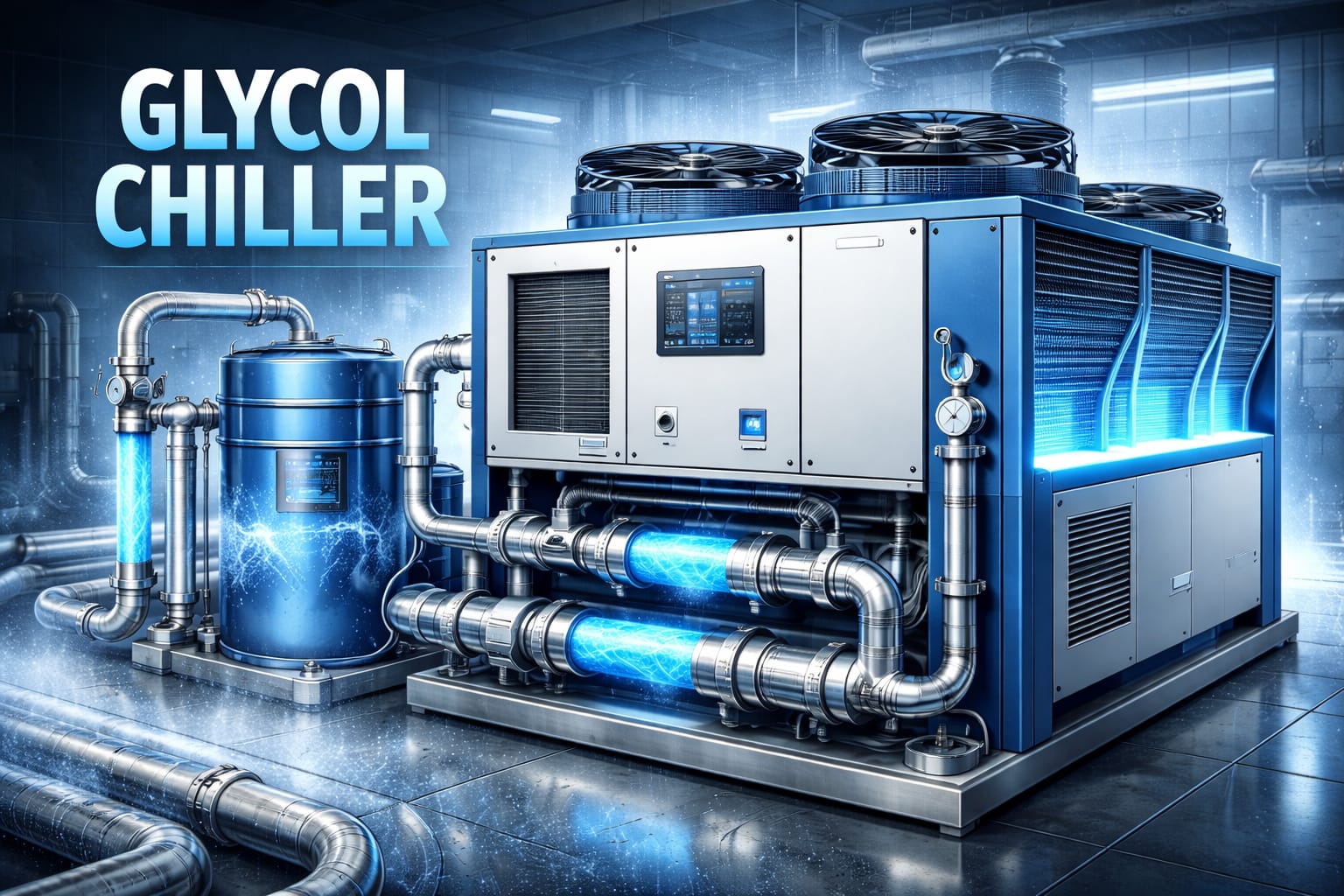
Modern metallurgy has been transformed by advanced cooling technologies, with glycol chillers playing a critical role in improving process stability and product quality.
Advanced glycol chiller systems feature high-efficiency compressors, smart controls, and optimized heat exchangers that improve energy performance while maintaining reliable operation in extreme industrial environments. Integrated monitoring and automation allow real-time adjustments, minimize downtime, and extend equipment lifespan. These innovations support higher productivity, lower operating costs, and more sustainable metallurgical processes.
Developing clear, goal-oriented plans to guide decision-making and ensure long-term success through structured analysis and execution.
These innovations enhance strength, durability, and performance while reducing environmental impact. From aerospace-grade alloys to smart materials that respond to external conditions, metallurgical advancements continue to play a crucial role in technological and industrial growth.
Strategic Growth Planning focuses on identifying opportunities for expansion and long-term success while aligning resources, processes, and teams with organizational goals. It involves analyzing market trends, evaluating risks, and designing actionable strategies to drive sustainable growth. By combining forward-looking vision with data-driven decision-making, organizations can optimize performance, strengthen their competitive position, and achieve measurable results.
Visualizing data through charts, graphs, and statistics to provide clear insights and support informed decision-making. By presenting complex information in an easy-to-understand format, teams can track performance, identify trends, and make strategic choices backed by reliable data.
Our team is here to address any concerns and provide support for all your needs.
Yes! Most modern green energy systems, including solar panels and wind turbines, come with monitoring tools or apps that let you track energy production in real-time. You can see how much energy is being generated, how much is being consumed, and even identify any issues quickly. This helps you optimize usage and maximize savings.
Yes, renewable energy systems can work in a wide range of climates, but their efficiency may vary. Solar panels still generate electricity on cloudy days, though output is lower than on sunny days. Wind turbines can operate in most regions with consistent wind, but very calm areas may produce less energy. With proper system design and storage solutions, renewable energy can reliably power homes and businesses almost anywhere.
Solar panels and wind turbines are designed to be environmentally friendly, but some materials do have an impact. Solar panels typically use silicon, glass, and aluminum, all of which are recyclable. Wind turbines are mainly made of steel, fiberglass, and rare-earth metals. Manufacturers are increasingly focusing on recycling and sustainable sourcing to minimize environmental impact. Overall, the energy produced over their lifetime far outweighs the environmental cost of production, making them a much greener option than fossil fuels.